Discover the key differences between water jet cutting and laser cutting. Learn which method is best suited for your materials, thickness, and precision needs. Make an informed choice for your next project.
Is Water Jet Cutting Better Than Laser? A Comparative Analysis
When it comes to cutting technologies, both water jet and laser cutting stand out as advanced methods that offer precision and efficiency. Each technology has its own set of advantages and limitations, making them suitable for different applications. To determine which method is better, it’s essential to consider various factors such as material type, thickness, cut quality, and specific project requirements. Let’s delve into a comparative analysis of water jet cutting versus laser cutting.
Understanding Water Jet Cutting
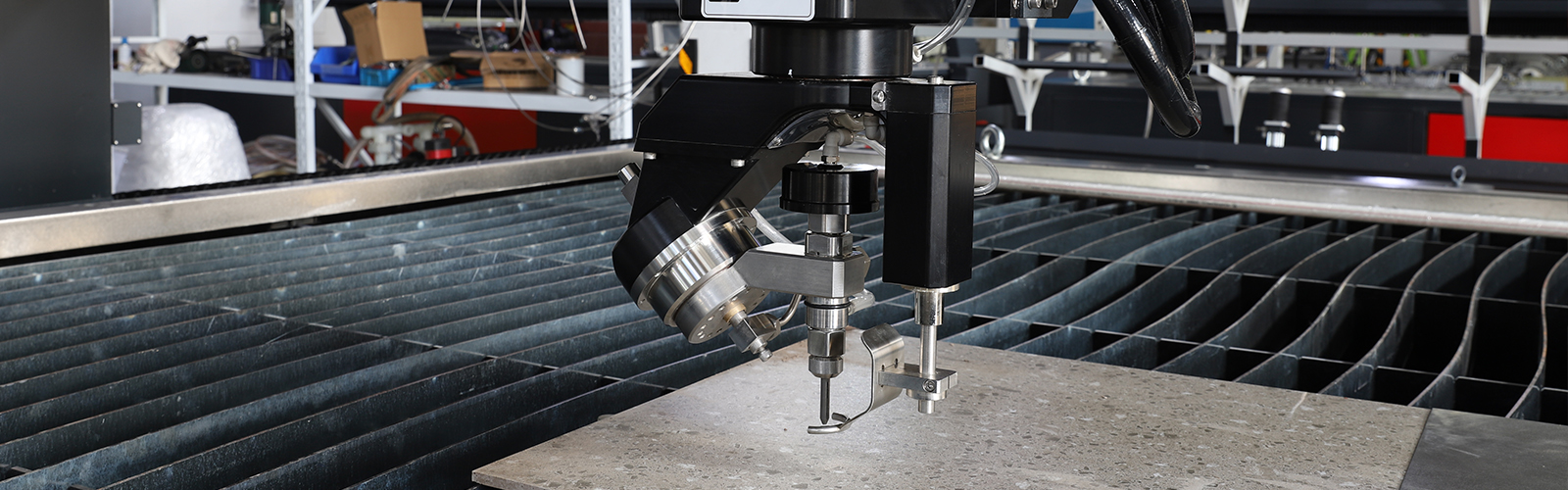
Water jet cutting involves the use of a high-pressure stream of water, sometimes mixed with abrasive particles, to cut through materials. This method is highly versatile and can handle a wide range of materials, including metals, ceramics, glass, and composites.
Advantages of Water Jet Cutting
- Versatility: Can cut almost any material, including reflective and non-conductive materials.
- No Heat-Affected Zone (HAZ): The cold cutting process eliminates thermal distortion and material warping.
- Thickness Capability: Effective for cutting thick materials, sometimes up to several inches.
- Precision: Delivers high accuracy and clean cuts with minimal material waste.
- Environmentally Friendly: Does not produce harmful gases or fumes and often recycles water used in the process.
Understanding Laser Cutting
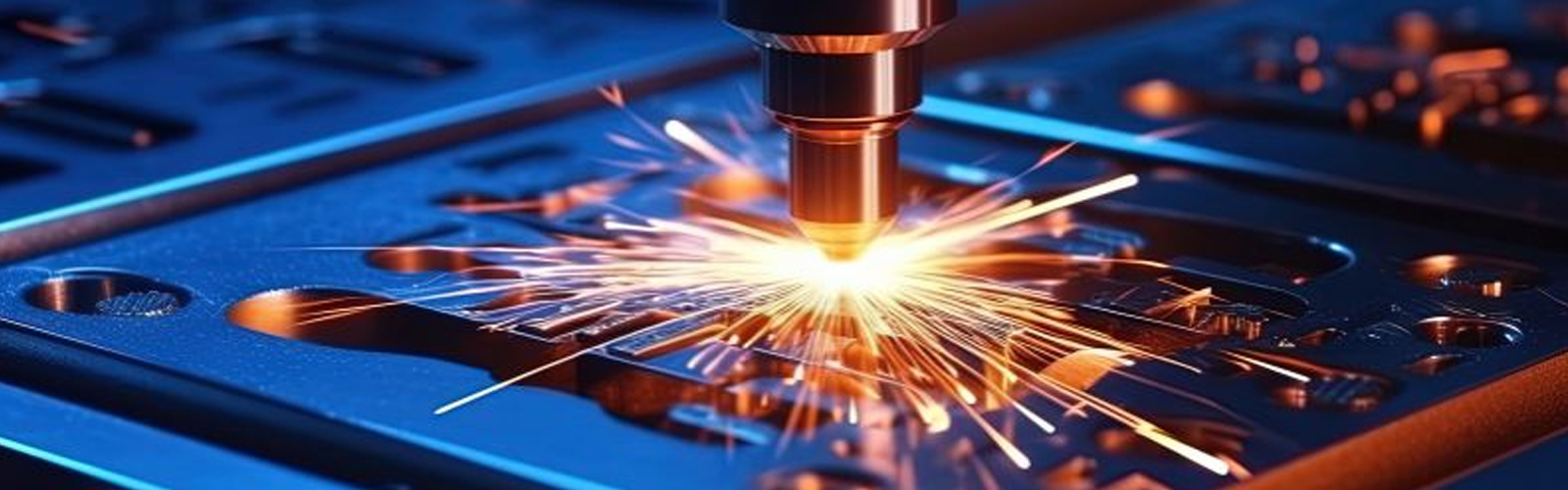
Laser cutting uses a focused beam of light to melt, burn, or vaporize material. This method is highly precise and is commonly used for metals, plastics, wood, and some ceramics.
Advantages of Laser Cutting
- Speed: Generally faster than water jet cutting for thin materials.
- Precision: Offers extremely fine and detailed cuts with high repeatability.
- Efficiency: Excellent for high-volume production with automated systems.
- Smooth Edges: Provides clean and smooth edges, reducing the need for secondary finishing.
- Energy Efficient: Consumes less energy compared to some other cutting methods.
Comparative Analysis
Material Compatibility
- Water Jet Cutting: Can cut a wide variety of materials, including thick metals, ceramics, glass, stone, composites, and rubber. It’s particularly effective for materials sensitive to heat.
- Laser Cutting: Ideal for metals, plastics, wood, and thin materials. Struggles with reflective and non-metallic materials.
Thickness Capability
- Water Jet Cutting: Capable of cutting very thick materials, often several inches thick.
- Laser Cutting: Best suited for thinner materials, generally up to 1 inch for metals and 2 inches for other materials.
Cut Quality and Precision
- Water Jet Cutting: Offers high precision with no thermal distortion, but may leave a slightly rougher edge compared to laser cutting.
- Laser Cutting: Provides superior edge quality and smoother finishes, ideal for intricate and detailed designs.
Speed and Efficiency
- Water Jet Cutting: Slower than laser cutting, especially for thinner materials.
- Laser Cutting: Faster for thin materials and suitable for high-volume production runs.
Environmental and Safety Considerations
- Water Jet Cutting: More environmentally friendly, as it does not produce harmful gases or fumes. Water and abrasive materials can often be recycled.
- Laser Cutting: May produce fumes and require proper ventilation, especially when cutting plastics and other hazardous materials.
Which is Better?
The choice between water jet cutting and laser cutting ultimately depends on the specific requirements of your project:
Actually, both water jet and laser cutting technologies offer unique benefits and are better suited for different applications. Evaluating the material, thickness, precision requirements, and production volume will help you determine the most suitable cutting method for your needs. For expert advice and cutting services, feel free to reach out to us.
Stay tuned to our blog for more insights on cutting technologies and industrial applications.


